
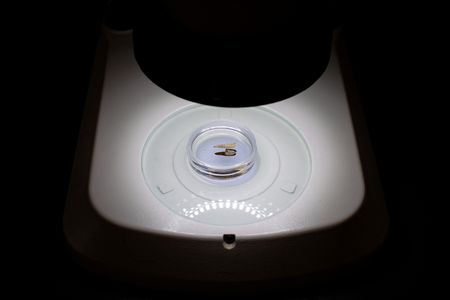

By Tom Polansek and Heather Schlitz CHICAGO, Nov 20 (Reuters) – US infestations of New World screwworm, a parasitic fly that eats warm-blooded animals alive and threatens the cattle herd, have surged in unusually wet and warm weather in the Southwest, the US Department of Agriculture and state veterinarians said. Screwworms infested 64 cattle, dogs, […]
Health
Flesh-eating screwworm cases surge in US, keeping ranchers on alert

Audio By Carbonatix
By Tom Polansek and Heather Schlitz
CHICAGO, Nov 20 (Reuters) – US infestations of New World screwworm, a parasitic fly that eats warm-blooded animals alive and threatens the cattle herd, have surged in unusually wet and warm weather in the Southwest, the US Department of Agriculture and state veterinarians said.
Screwworms infested 64 cattle, dogs, horses and other domesticated animals this month, up from 34 in October and three in September, according to USDA data.
The agency has reported 149 total cases in domesticated animals since June, along with two in wild elk. Of those, 73 cases were active as of Thursday, up from two at the end of September.
Ranchers fear cases will continue to climb because there is a shortage of sterile flies that are bred to combat screwworm flies.
“The swarm has not reached Texas yet,” said Susan Storey, a South Texas rancher.
USDA is racing to expand sterile fly production capacity, with the Army Corps of Engineers overseeing construction of a fly plant in South Texas due to open next year. USDA Under Secretary Dudley Hoskins told Reuters that a project to test genetically modified sterile flies that could potentially aid its response was progressing.
The agency first detected screwworm in a calf in Texas in June after the parasite marched north through Mexico, and later confirmed more cases in Texas and New Mexico. Following a lull, screwworms last month spread to Arizona, which now has nine active cases across four counties.
Screwworms encroached on Arizona from the south and east, said Dr. Ryan Wolker, state veterinarian. “The major contributing factor is the natural progression of the pest and the limited supply of sterile male screwworm flies,” he said.
GENETICALLY ENGINEERED STERILE FLIES
USDA is releasing all available sterile flies in the southwestern US and around Mexico’s northern border to contain infestations, while screwworms are still multiplying farther south. Sterile males mate with wild females, whose eggs then fail to hatch.
“There was a good bit of Mexico where we didn’t have a good barrier of sterile flies to stop that natural progression,” said Dr. Samantha Holeck, New Mexico’s state veterinarian. “Now it’s right there at the border — both sides of the border.”
Researchers in Panama have made progress testing sterile flies genetically engineered to produce only males, which could give USDA an edge in the battle against screwworms, Hoskins said. The flies, known as NovoFly, could double the production of sterile flies by eliminating females, which are not useful in eradication efforts, he said.
“To date, all the signs and signals indicate progress and a strong competitiveness of the NovoFly in the wild,” Hoskins said. “The tests so far have demonstrated everything we were hoping they would.”
USDA intends to produce NovoFly at the facility scheduled to open in Texas in April, if testing continues to go well, Hoskins said. He added that it will take time to ramp up production.
The agency restarted cattle imports from Mexico at ports of entry in Arizona and New Mexico in August, after blocking them last year in an attempt to keep screwworms out. The halt helped push US beef prices to record highs for consumers.
The imports did not cause cases to spike because Mexican cattle are inspected multiple times for screwworm before entering the US, according to Hoskins, Wolker and Holeck.
Instead, rain linked to El Niño created favorable conditions for screwworms to spread, experts said, with Hurricanes Rachel and Polo bringing increased late-season moisture to Arizona and Mexico.
“As this spreads, it just exacerbates the need for more sterile flies,” said David Anderson, agricultural economist at Texas A&M University.
This winter, temperatures will likely not drop low enough to kill screwworms in parts of Texas, New Mexico and Arizona, veterinarians said. That means ranchers, hunters and pet owners must watch closely for more cases.
“We’re all nervous,” said John Sewell, owner of a 40-square-mile deer-hunting ranch in South Texas. “You can only hope the USDA plan is working.”
(Reporting by Tom Polansek and Heather Schlitz in Chicago. Editing by Emily Schmall and Bill Berkrot)